Menelik II Medical and Health Science College Partners with Ethiopian Public Health Association (EPHA) to Advance Public Health Excellence
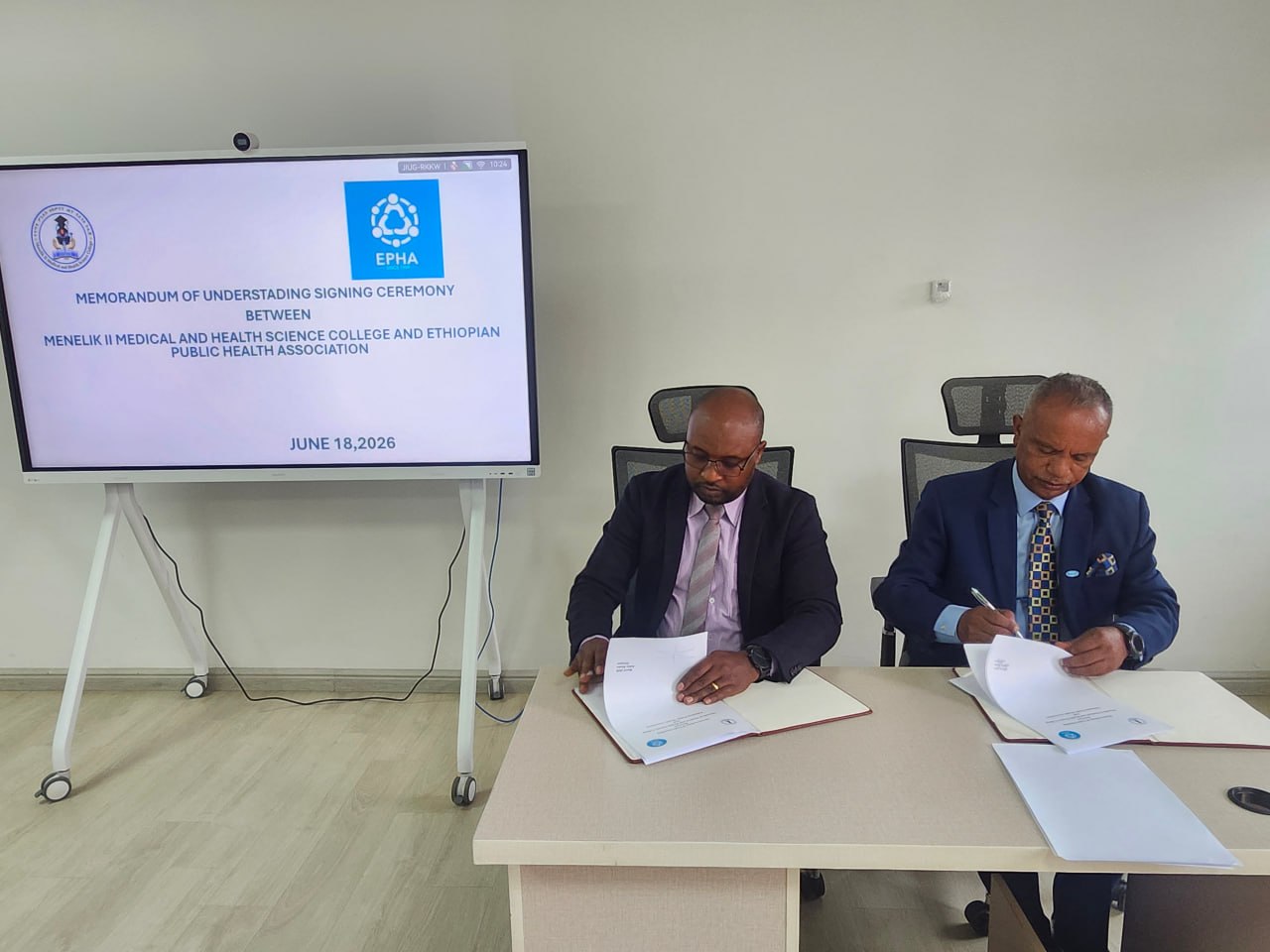
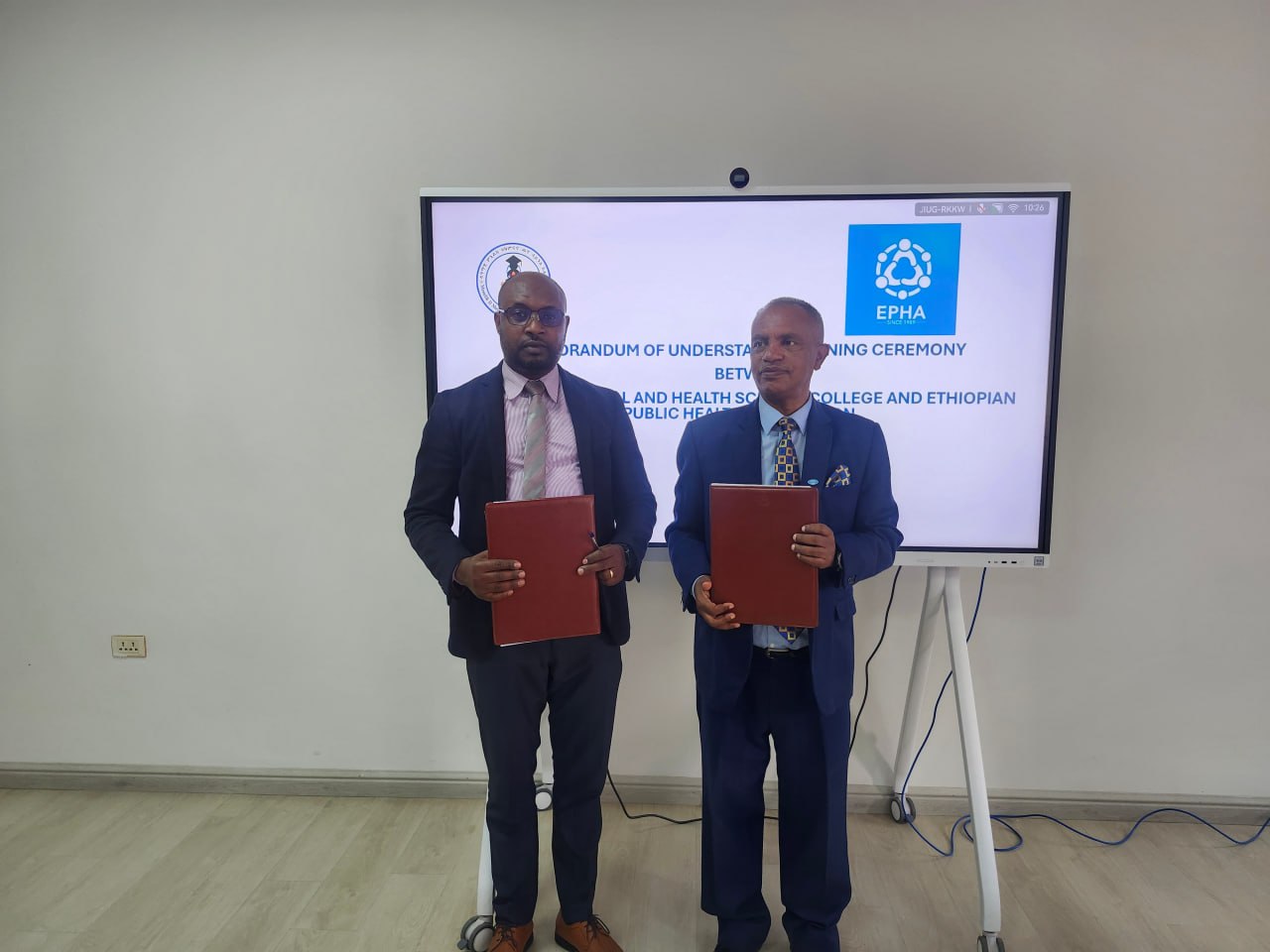
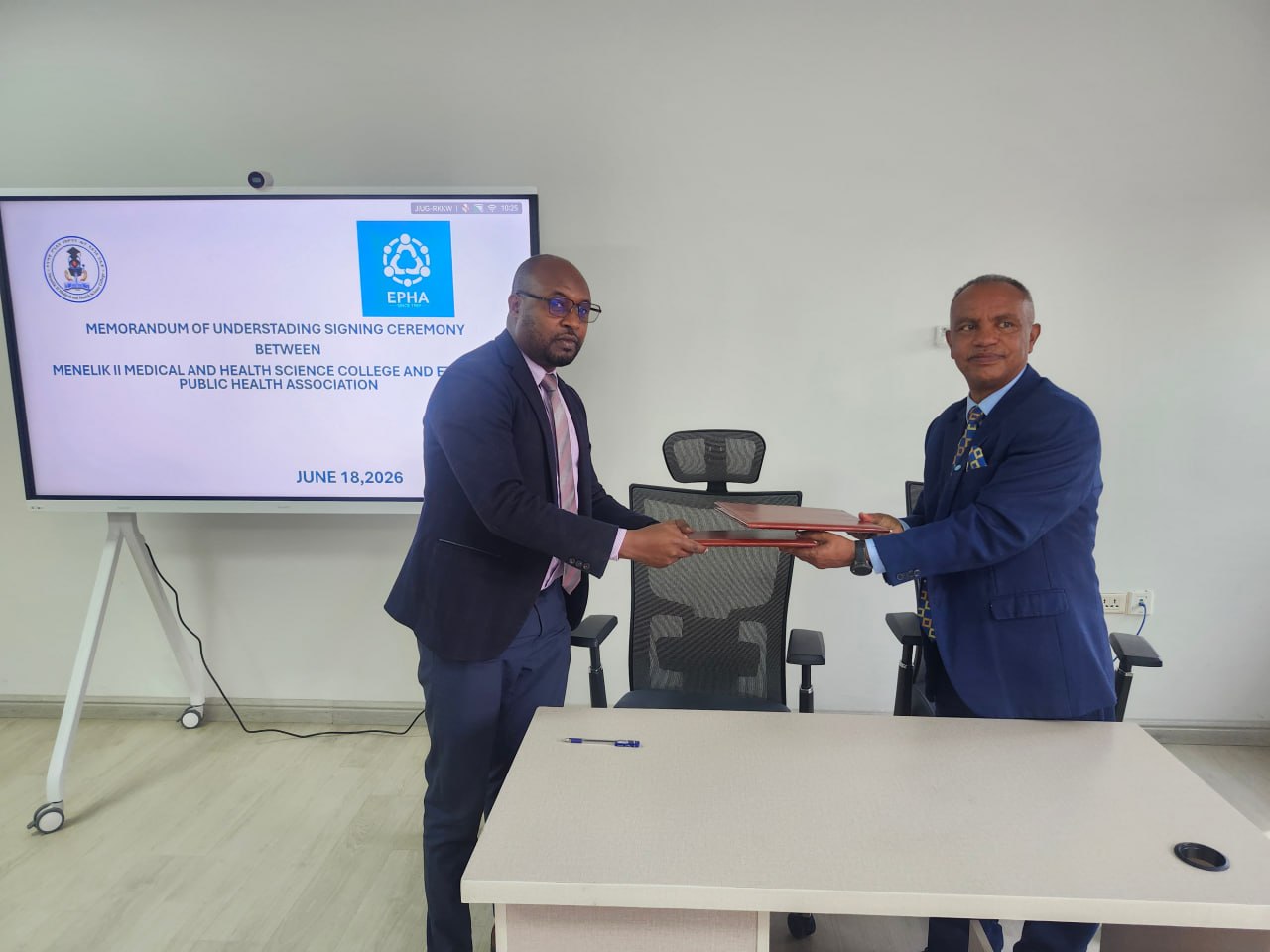

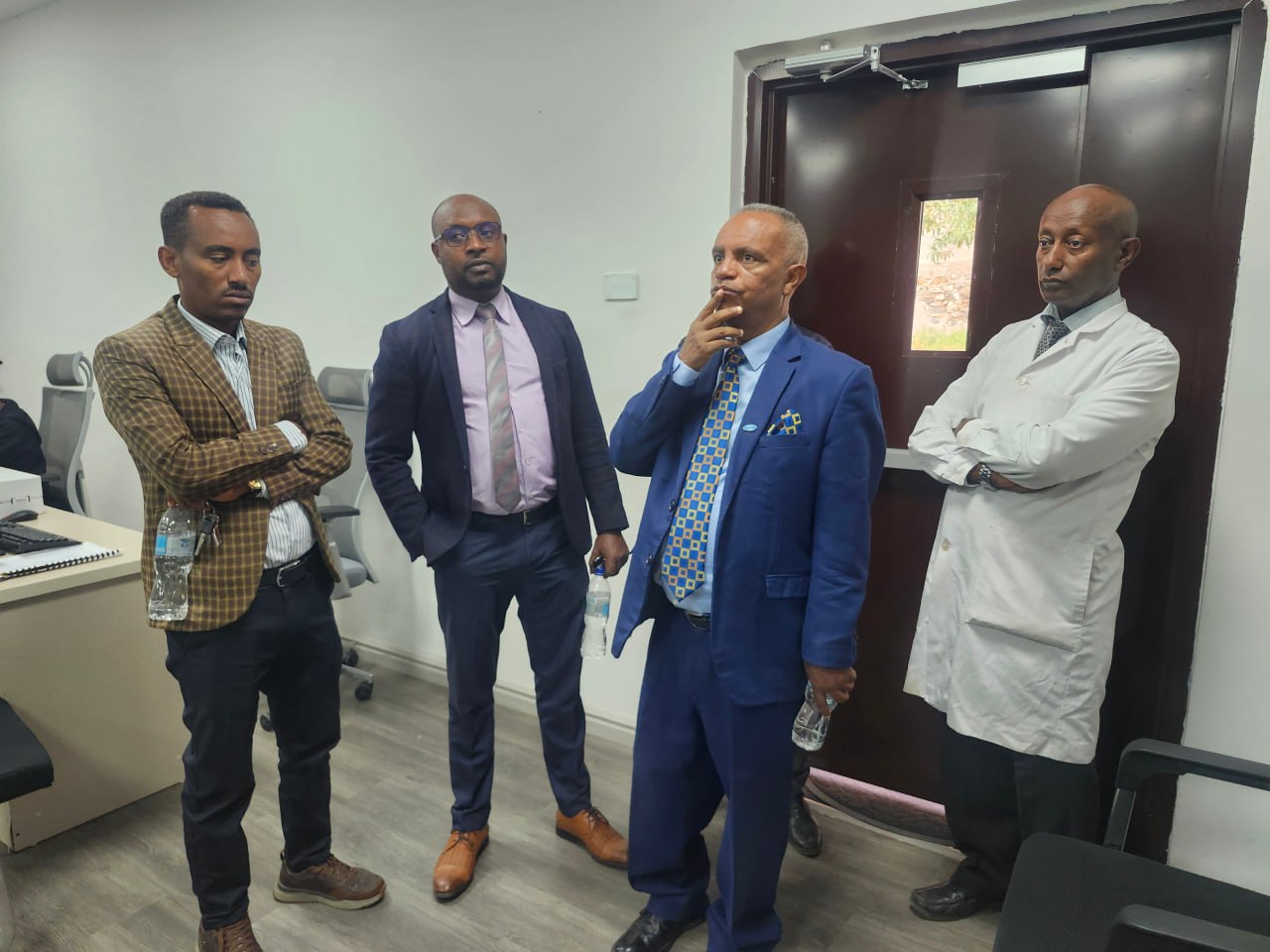

Menelik II Medical and Health Science College has officially signed a Memorandum of Understanding (MoU) with the Ethiopian Public Health Association (EPHA), marking a significant milestone in strengthening collaboration in public health education, research, and community service.
This strategic partnership brings together the College’s strong academic foundation and EPHA’s extensive professional expertise and network to create impactful opportunities for students, academic staff, and health professionals across Ethiopia.
The ceremony officially commenced with an opening remark by Mr. Alemu Daniel, Chief Executive Director of Menelik II Medical and Health Science College. In his address, he warmly welcomed the participants and underscored that building strategic partnerships is highly essential for advancing national public health initiatives and driving institutional growth. He also highlighted that such collaborations play a vital role in strengthening capacity, enhancing innovation, and improving health service delivery.
Dr Fikirte Woldeselassie, Chief Research, Clinical and Community Service Director of the Menelik II Medical and Health Science College, highlighted the College’s strong interest in the collaboration, noting its potential to enhance joint research, knowledge generation, and academic excellence, and to strengthen evidence-based practice across public health programs.
On his part, Dr. Alemayehu Mekonnen, Executive Director of EPHA, underscored the importance of collaboration in bridging academia and public health practice, emphasizing that close partnership would optimize the use of available resources and facilitate the exchange of expertise and experience while producing competent public health professionals equipped with practical skills and up-to-date knowledge.
Key Pillars of the Partnership
Under this comprehensive new agreement, both institutions will pool their resources to drive progress across several priority areas:
· Curriculum Innovation & Academic Capacity Building
Collaborating closely to review and enhance academic curricula, ensuring programs remain evidence-based, responsive, and aligned with current national public health priorities. This includes robust faculty development and joint professional learning opportunities.
· Enhanced Student Training
Expanding practical, hands-on field placements and clinical experiences to better prepare students for real-world health environments.
· Collaborative Research & Advocacy
Conducting joint scientific research to champion evidence-based public health practices and fuel national health advocacy.
· Knowledge and Resource Sharing
Promoting institutional learning through the active exchange of academic materials, research outputs, policy documents, and institutional best practices.
· Empowering Community Service
Launching community-based outreach initiatives and programs designed to boost health awareness, tackle localized health issues, and measurably improve community well-being.
0 Comments